
H2A Program
USA H2A employers may request that we contact you by simply completing this easy online form
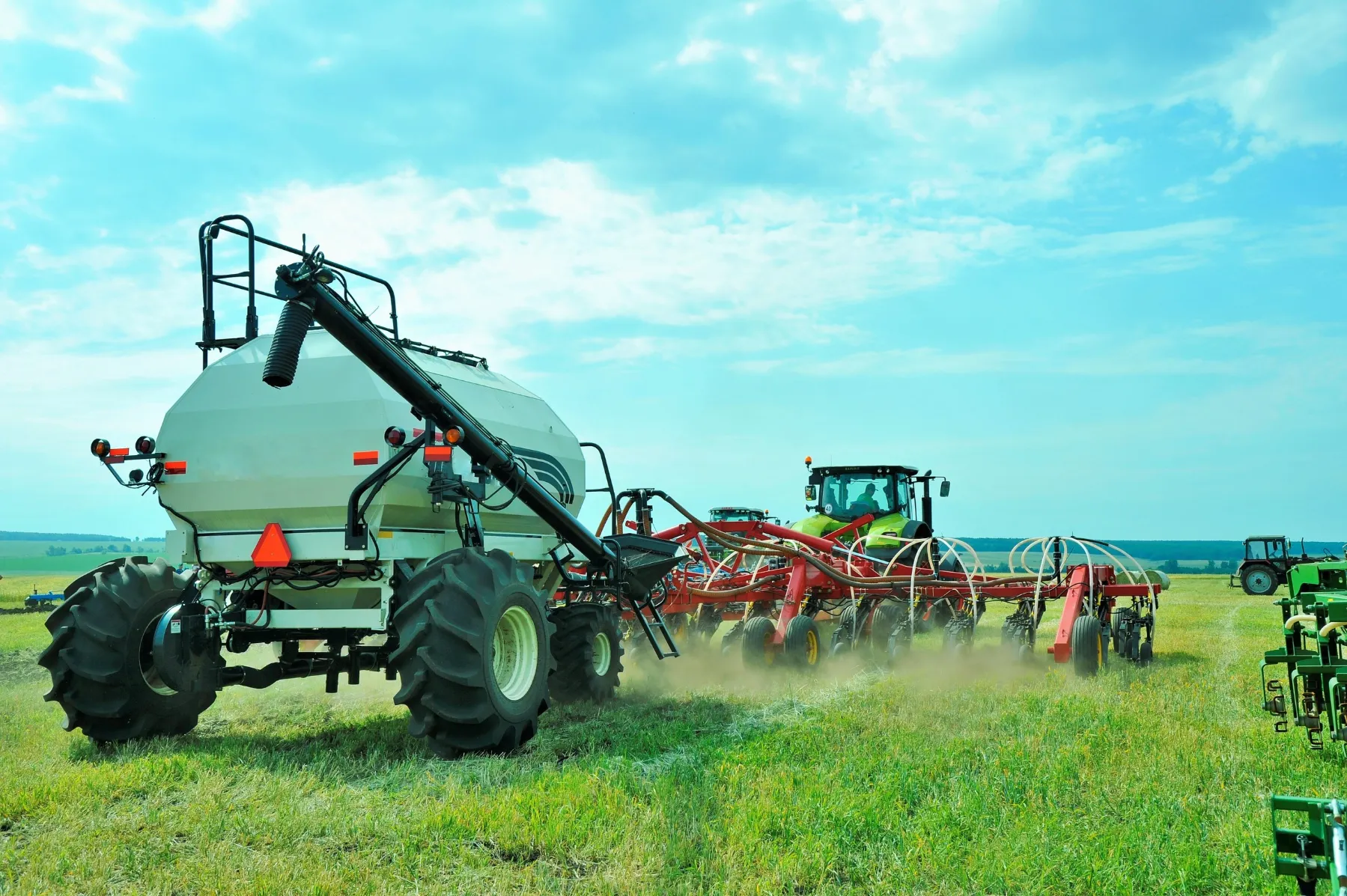
A Temporary Labour Certificate must be obtained by submitting the required paperwork to both the State Workforce Agency and the Department of Labor. You qualify if you are a
-
Fixed site crop farm
-
Farm Labor Contractor
-
Custom Harvester
To qualify for H-2A non-immigrant classification, the petitioner must:
-
Offer a job that is of a temporary or seasonal nature.
-
Demonstrate that there are not enough U.S. workers who are able, willing, qualified, and available to do the temporary work.
-
Show that employing H-2A workers will not adversely affect the wages and working conditions of similarly employed U.S. workers.
Joblex endorse the following US based company that will assist you with the completion and submission of the necessary documentation, saving you time and unnecessary delays.
We do, however also provide candidates for other agencies and employers who wish to file themselves.
Agri Placements International
2005 Commerce St Fairview, OK 73737
You may contact them on:
phone 580-227-4747
fax 580-227-4748
Or visit their website for more information https://www.agri-placements.com/
A Workforce tailored to your needs
Our Agency will provide you with Profiles of candidates who suit your requirements.
Possible candidates include
-
Skilled Crop Farm Hands:
We specialize in recruiting experienced and skilled individuals, adept at managing various crops, ensuring optimal yields and farm efficiency.
-
Cattle, Livestock and Horse Handlers:
Our pool of talent includes professionals with expertise in handling and caring for livestock, contributing to the well-being of your animals.
-
Tradesmen (Electricians, Plumbers, Welders, Builders):
Recognizing the diverse needs of modern farms, we offer a selection of tradesmen to address any infrastructure or maintenance requirements.
-
Semi-Truck Drivers:
Our agency provides reliable and experienced semi-truck drivers to facilitate the transportation of goods, ensuring timely delivery and operational efficiency.
-
Greenhouse Workers:
Skilled in greenhouse operations, our workers contribute to the success of your horticultural endeavours, maintaining a thriving and productive environment.
-
Yellow Machinery Operators:
Operators proficient in the operation of heavy equipment such as bulldozers, excavators, and loaders. These operators bring a wealth of experience in earthmoving and land preparation, ensuring your agricultural projects are executed with precision and efficiency. Whether you require site grading, trenching, or other specialized tasks, our Yellow Machine Operators are well-equipped to handle the demands of modern farming operations.
-
Unskilled Labor:
For tasks requiring strength and stamina, we offer a pool of young and motivated individuals ready to prove themselves through hard work and dedication.
-
Specialized candidates:
May include seed handlers, beekeepers, manufacturers, shift managers and more.
H-2A Visa Processing
Your selected H2A workforce will need H2A Visas. This step in the process can only start after you have received your Temporary Labor Certification. Joblex will assist your successful candidates with the Visa Application in South Africa as well as prepare them for their trip. This includes consulate appointments and preparation, as well as travel and medical insurance.

What are the requirements of qualifying for H2A workers?
For U.S. employers interested in hiring temporary workers through the H-2A program, several important requirements and expectations must be met. Here’s a summary of the primary obligations:
-
Recruitment of U.S. Workers:
Employers must make a genuine effort to recruit qualified U.S. workers before employing H-2A visa holders. This includes filing a job order with the State Workforce Agency (SWA) at least 60-75 days before the work start date. The job order must include detailed job descriptions, wages, and working conditions. Additionally, employers must actively contact any former U.S. employees and encourage them to apply, as well as accept referrals from the SWA. All recruitment activities should be documented in a recruitment report, which may need to be submitted if requested by the Department of Labor (DOL) (Farmers.gov; AW Labor Solutions).
-
Wages and Working Conditions:
Employers must offer wages that meet or exceed the DOL’s Adverse Effect Wage Rate (AEWR) to ensure that employing foreign workers doesn’t negatively affect U.S. wages. Employers are also required to provide safe housing and ensure transportation for the workers, reimbursing travel costs after 50% of the contract period. They must offer a work guarantee of at least three-fourths of the contract period and provide any tools or equipment at no cost (Department of Labor).
-
Application Process:
Employers must file an H-2A temporary labor certification application with the DOL’s Office of Foreign Labor Certification (OFLC) at least 45 days before the intended start date. This includes using the FLAG system and submitting all supporting documentation. The DOL then reviews the application and may issue a Notice of Deficiency if corrections are needed, which employers must address promptly (U.S. Department of Labor; Farmers.gov).
-
Non-Discriminatory Practices:
Employers must treat U.S. and H-2A workers equally, without offering preferential benefits or imposing additional requirements on U.S. applicants. Job terms, including wages, benefits, and working conditions, must be the same for all employees (DOL Fact Sheet).
-
Housing and Insurance:
Employers must provide free, compliant housing for H-2A workers and secure workers’ compensation insurance valid throughout the employment period. Housing must meet safety and health standards, with the SWA often required to inspect housing before certification (U.S. Department of Labor; AW Labor Solutions).
Overall, employers are expected to conduct thorough recruitment within the U.S., offer fair wages and benefits, and maintain compliance with DOL standards to ensure the rights and protections of both H-2A and U.S. workers.
What are the housing standards that must be met?
For U.S. employers participating in the H-2A program, housing for workers must meet strict health, safety, and accessibility standards to ensure a safe and comfortable living environment. Here’s a summary of the primary requirements:
-
Cost and Location:
Housing must be provided at no cost to the workers and must be available for both H-2A workers and any U.S. workers employed who cannot return home daily. Housing can be on-site or in nearby public accommodations like hotels, as long as standards are met.
-
Housing Standards:
If employer-owned, the housing must meet federal and state health and safety guidelines, including those from OSHA. In public accommodations, employers must meet all applicable state and local standards; in the absence of these, federal OSHA standards apply. Each housing site must have adequate drainage, fire safety measures, and must be located at least 500 feet from livestock areas.
-
Room Specifications:
Each worker must have at least 50 square feet of sleeping space, with a ceiling of at least 7 feet. Beds must be spaced 3 feet apart, elevated from the floor, and only double-decked bunk beds are allowed, with a minimum of 27 inches between bunks. If using cooking facilities, there must be at least 100 square feet per person in multi-use rooms (sleeping, cooking, and living).
-
Sanitary Facilities:
Employers must provide adequate kitchens with sanitary food preparation and storage areas. Cooking facilities must include one stove per 10 workers or one per two families if shared. Alternatively, employers can provide three daily meals but must maintain proper agreements if relying on outside facilities. Bathrooms and shower facilities should include one shower per 10 workers and must also be well-ventilated and pest-free.
-
Water Supply and Ventilation:
Employers must ensure a clean and accessible water supply, capable of providing 35 gallons per person daily for drinking, cooking, and hygiene. Each housing unit must include windows that open and screens to allow ventilation and prevent pest infestations. Additional measures like heating for winter months are mandatory if workers are housed in cold conditions.
-
Safety Inspections:
Safety Inspections: Housing must pass inspection by the State Workforce Agency to ensure compliance, ideally at least 30 days before workers’ arrival. If using public accommodations, these must be pre-approved to ensure compliance with all requirements, including adequate kitchen, sleeping, and sanitation facilities.
These requirements ensure a living environment that prioritizes workers’ health and well-being, promoting both safety and comfort during their employment in the U.S.
For additional details, see the Department of Labor guidelines and resources on OSHA’s H-2A housing standards. https://www.dol.gov/agencies/whd/fact-sheets/26g-housing-standards-for-rental-and-public-accommodations-H-2A
Frequently Asked Questions
We can file the petition 75-60 days before the start date.
API’s assistance $1900.00 base + $100.00 per worker,
Department of Labor cost $100.00 base + $10.00 per worker
Homeland Security $760 to $1690 depending on what filing we are submitting at the time. Homeland Security has a processing time of 14-17 business days not including weekends or federal holidays.
South African Agent $300 – $350 per successful candidate.
Partnering with a dedicated South African recruitment agent ensures you benefit from local expertise and a hands-on approach that streamlines your hiring process. Here’s how we add value:
- Local Insight & Expertise: We understand the South African agricultural landscape, enabling us to pinpoint the right regions, training programs, and worker pools that match your farm’s specific needs.
- Thorough Reference Checks: Our team conducts comprehensive background and reference checks, ensuring that the workers we present have credible experience, proven reliability, and a strong work ethic.
- Virtual Interviews: We set up virtual Zoom meetings, allowing you to interact with prospective workers directly. This approach helps you build trust, assess language skills, and gauge the candidate’s fit with your farm’s culture—all before they step onto your property.
- Streamlined Logistics: We handle the nitty-gritty details, from coordinating paperwork and visa requirements to guiding workers through the travel process, reducing administrative burdens on your end.
- Quality Assurance: Our relationship with South African training institutions and farming communities ensures a steady pipeline of skilled, motivated seasonal workers who can hit the ground running.
By partnering with a South African agent, you gain peace of mind and a more efficient, effective way to recruit top-tier seasonal talent—ultimately ensuring that your farm runs smoothly during peak demand.